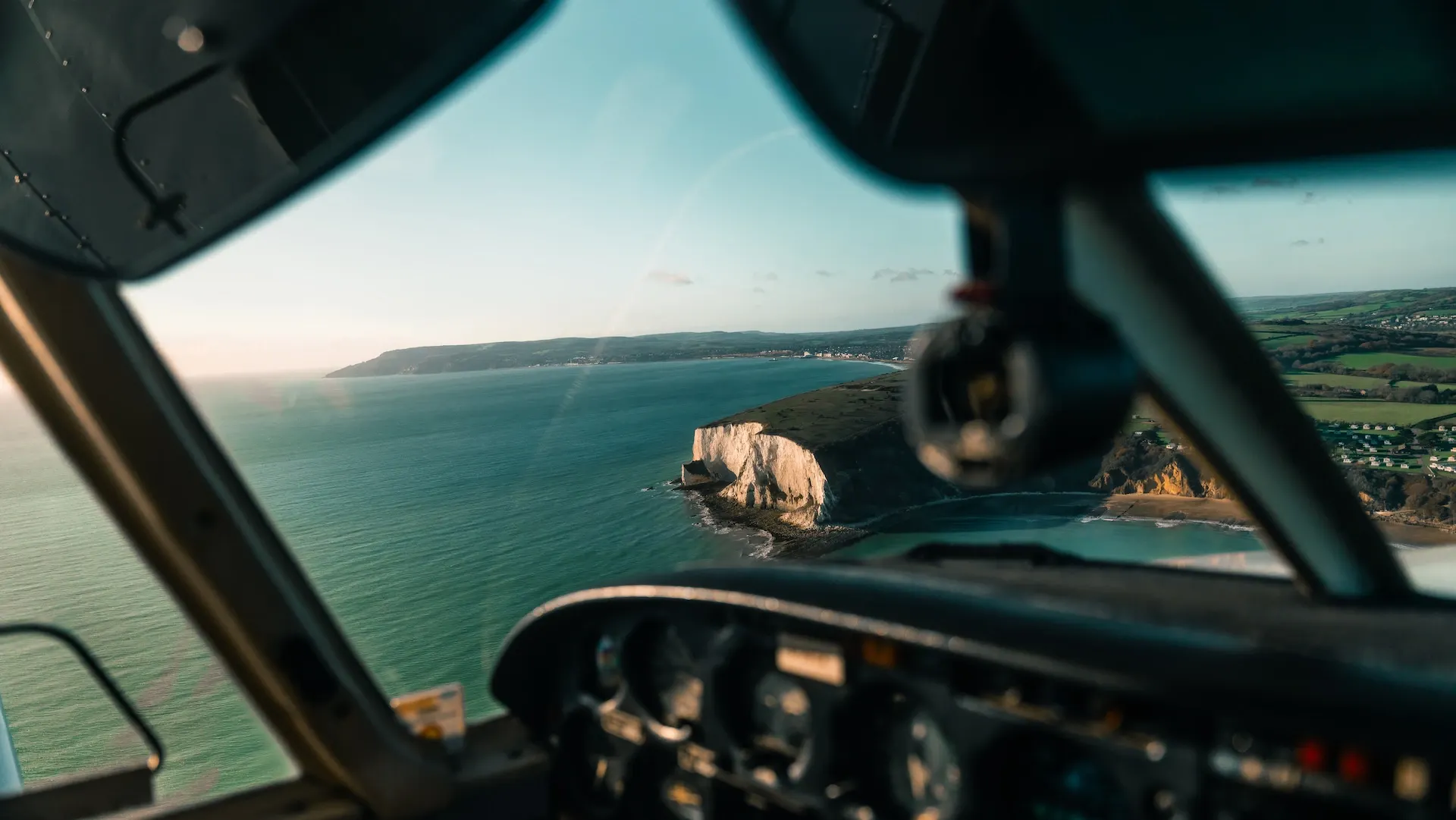
Why Every Flight Deserves a Debrief

Most of a flight disappears the moment the engine stops. A short debrief, written down while it's still fresh, is what turns a flight you experienced into a flight you actually learn from. Here's why it matters, and a simple way to start.
The Flight You Can't Quite Remember
Think about your last flight. You landed, shut down, chatted for a few minutes, then got on with your day. By the time you went to bed, how much of it could you actually recall? Maybe the crosswind on short final, or the moment you realised you'd misjudged the descent. Probably not much beyond that.
I once flew a lesson where everything clicked. The radio calls, the circuit spacing, the landing, it all came together, and I remember feeling like I'd finally turned a corner. Two weeks later, I couldn't tell you what I'd actually done differently. Just hours in a logbook, and nothing else.
This isn't about having a bad memory. Flying takes all of your attention while you're doing it, which is exactly what makes it worth doing, but it leaves nothing over afterwards to process what happened. It's the same reason sports teams review match footage, or why some people keep a journal instead of trusting their memory to hold onto things. In general aviation, we tend to skip that step entirely. We log the hours and move straight on to planning the next flight, and whatever we could have learned slips away in between.
What You Actually Get From It
A debrief does two things at once: it makes you a better pilot, and it gives you back the flight itself.
The first part is straightforward. A wobbly landing is either a mistake you'll repeat or a lesson you'll learn, and the difference usually comes down to whether you took a moment to work out why it happened. Not "the landing was rough," but "I flared too high because I was looking at the numbers instead of the far end of the runway." That kind of detail is what makes it stick, and it also gives you back a sense of control over a flight that felt chaotic while you were in it.
The second part matters just as much, though it's less obvious. Your logbook tells you how many hours you've flown. It won't tell you what your first solo felt like, or why one particular flight stuck with you when others didn't. That's the part worth keeping. It's also the part worth sharing, because a flight track on its own doesn't tell anyone anything. Add a description, a photo, and an honest account of how it went, and it becomes a story. That's what other pilots actually learn from and connect with.
The Part That Matters Most
There's a version of this that goes further than helping you personally, and it's the one that matters most.
When you share what you learned, even just a line or two, someone else gets the benefit without having to learn it the hard way themselves. That's part of how safety cultures get built in aviation, through pilots being honest about the mistakes they nearly made. It costs nothing to share, and it does real good.
It's also what community is built from. Not just being around other pilots, but recognising something of yourself in what they've been through. A shared account of a hard lesson or a nervous first solo creates a connection that a shared hobby alone doesn't quite manage. It's the difference between being surrounded by pilots and actually belonging among them.
A Simple Way to Debrief
You don't need twenty minutes or a special format for this. Three questions are usually enough:
- What happened?
- What would you do differently next time?
- How did it feel?
Answer them honestly, even in a couple of sentences, and you'll start noticing patterns over time.
Write it down as soon as you can, ideally before you've even left the airfield, while it's still fresh. It will take a few minutes, a little more than nothing, and that's rather the point. You've already spent the time and the money to fly. Skipping the debrief because it takes five minutes is usually how it stops happening at all.
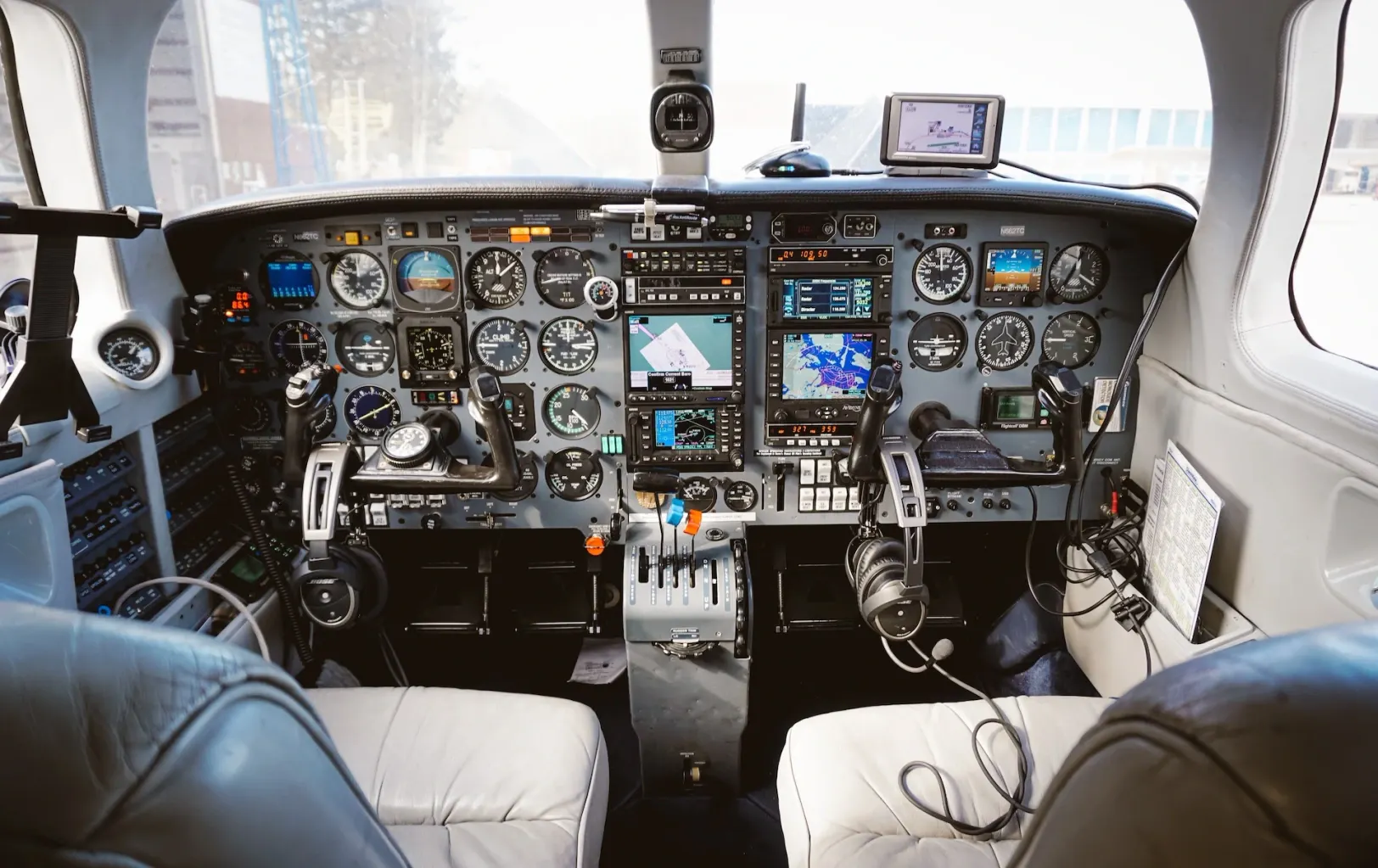
Wherever You Log It
None of this depends on any particular app. If you've never written anything down after a flight, start with your next one, wherever you keep your logbook.
We've built a space for this directly into AviNet, alongside your flight track and photos, whether you want to keep it private or share it with the community. Not because the data mattered most, but because the debrief is what turns a flight into something you'll actually remember, and something worth telling other people about.
Next Steps
If you've got a flight logged this week that you haven't debriefed yet, it's not too late. Take a moment now to answer three questions: what happened, what you'd do differently, and how it felt. The best way to build a habit is to start small and feel the value immediately.