Why Join an Aviation Community? The Three Reasons That Matter Most

Flying can be a solitary pursuit, but it doesn't have to be. From the accountability of a post-flight debrief to the belonging you feel among people who share your obsession, community changes the way you fly. Here are the three reasons I think matter most, drawn from my own experience at Headcorn and from building AviNet.
Flying Alone, But Not Really
There's a moment in almost every flight where it's just you, the aircraft, and whatever the weather decides to throw at you. That's part of the appeal. But the bit that keeps most of us coming back isn't the solitude, it's what happens before and after: the briefing room chat, the debrief over a coffee, the bit where you're describing the flight and someone else is already nodding along, because they've been there too.
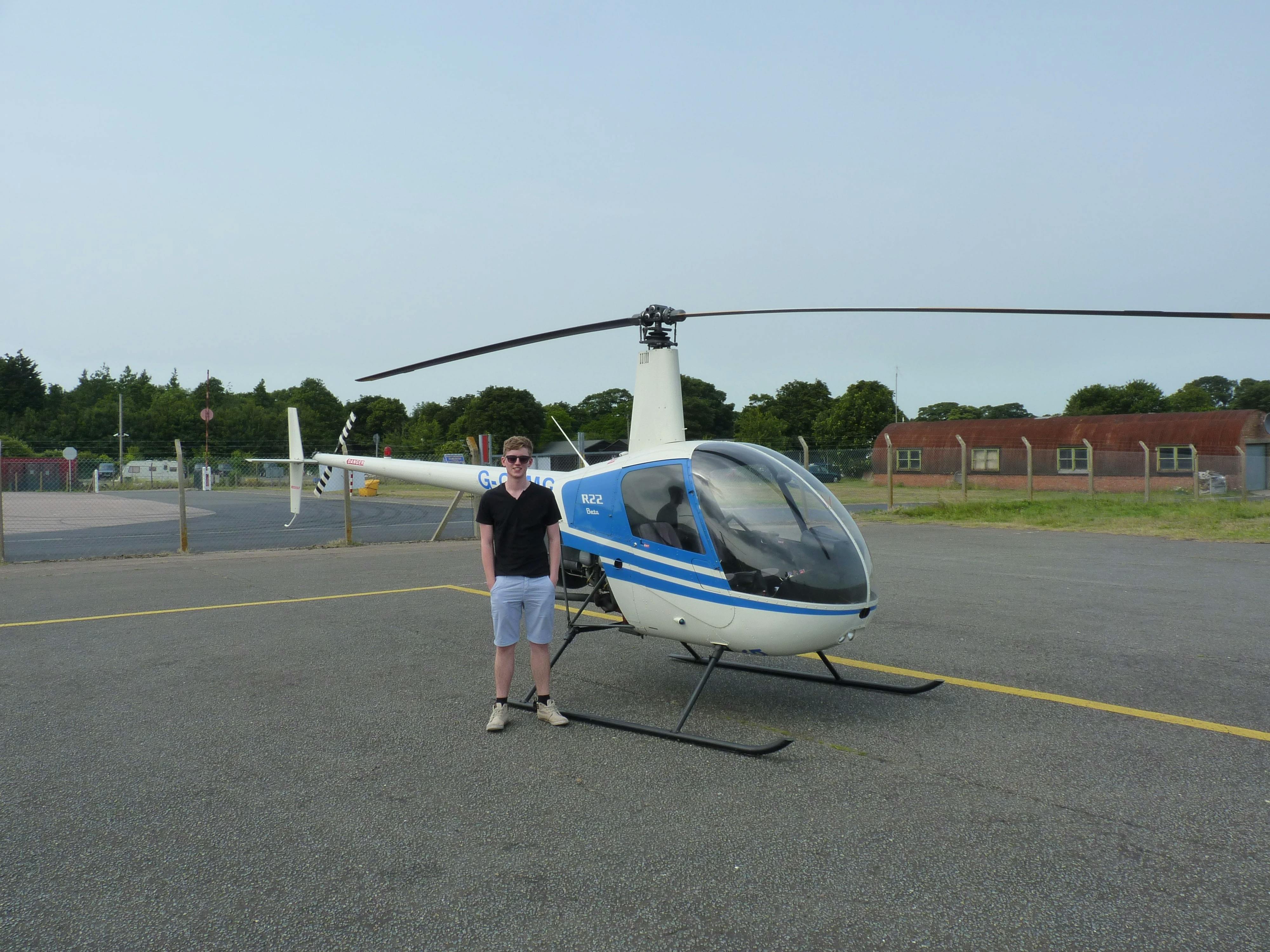
When I started training at Headcorn, I didn't think much about the community side of things. I was there to learn to fly, not to make friends. It didn't take long to realise those two things were never really separate. Looking back at why I kept showing up, and why so many pilots stay involved in aviation long after they've got their licence, it comes down to three things.
1. Belonging
Aviation is a small world. Wherever you fly from, whatever you fly, there's a decent chance the person next to you has spent a similar amount of money and time chasing the same feeling you have. That's rare. Most hobbies don't ask this much of you, and most people around you haven't chosen to ask it of themselves either.
Finding your people at the airfield is one thing. Headcorn on a summer weekend, with wing walkers and Spitfires and a dozen conversations happening at once, is about as validating a place as I can think of. But that feeling shouldn't switch off the moment you drive home. Being part of a wider aviation community, online or off, means you're never far from someone who understands exactly why you spent your Saturday morning checking METARs instead of sleeping in. There's a real sense of security in that. You're not the odd one out for caring this much about flying; you're one of many.
2. Support and Accountability
Nobody gets through flight training, or keeps flying regularly afterwards, entirely on their own steam. There's always someone who talked you through a plateau, reassured you after a bad lesson, or simply asked how your last flight went and actually wanted to know the answer.
That kind of support does something practical too: it holds you to account. Debriefing a flight, even just to yourself in writing, forces you to actually process what happened rather than filing it away and moving straight on to planning the next one. I've noticed how easy it is to land, put the aircraft away, and immediately start thinking about what's next, without ever properly reflecting on what you just did well or badly. A community, or even just a habit of writing things down, closes that gap. It's the difference between flying the same mistakes for years and actually improving.
3. Growth Through Shared Experience
The fastest way to improve as a pilot isn't more solo hours, it's learning from people who've already made the mistakes you're about to make. Every pilot I've flown with has taught me something, usually without realising it. A different way of planning a route, a trick for staying ahead of the aircraft, a story about the one time the weather turned faster than forecast. None of that is in a textbook.
This is also where the inspiration comes from. Watching someone else push into new territory, whether that's a new rating, a longer cross-country, or just a type of flying you'd never considered, has a way of nudging you to do the same. (Safe) Aviation rewards curiosity, and curiosity is contagious when you're surrounded by people who are still chasing it themselves, no matter how many hours they've got.
Why This Matters for AviNet
We built AviNet because these three things, belonging, support, and growth, shouldn't depend on being physically at an airfield. Most of us fly for pleasure, and can only be at the strip when work and life allow. The rest of the time, that sense of community used to just switch off.
That's the gap we're trying to close. A place to share a flight and have people who get it actually engage with it. A place to debrief honestly, whether publicly or just for yourself. A place to see how far you've come, and to be reminded that someone, somewhere, is cheering you on toward whatever you're working on next.
Next Steps
If any of this sounds familiar, you're probably already part of an aviation community in some form, even if it's just a WhatsApp group with your training buddies. AviNet is built to be the place that holds it all together: your flights, your goals, your debriefs, and the people who make flying worth doing in the first place.
Photo credit: Jordan Oates, community member.